Thinking About a New Concrete Patio or Walkway?
So, you're looking at that tired old patch of dirt or cracked concrete and dreaming of something new, something solid. Maybe it's a fresh patio for your backyard barbecues, a sturdy new driveway, or a clean walkway leading to your front door. Concrete flatwork – that's what we call it in the trade – can really transform a space. But here's the big question: is this a DIY job, or do you call in the pros?
As someone who's poured more concrete than I can count right here in Ventura, I've seen it all. I've seen homeowners pull off some impressive projects, and I've seen others end up with a lumpy, cracked mess that costs more to fix than if they'd hired someone from the start. Let's talk about what you need to know.
Before You Even Think About Mixing Cement
Preparation is everything with concrete. Seriously, it's 90% of the job. If you skimp here, you'll regret it. First, figure out what you want. A simple 4x4 foot pad for a trash can? A 500 square foot stamped concrete patio? The scale matters.
- Permits: For anything significant, especially driveways or large patios, you'll likely need a permit from the City of Ventura. Don't skip this. They'll want to see plans, and they'll inspect the work. If you don't get one, you could face fines or have to tear it out later.
- Excavation and Grading: You need a stable, well-drained base. This means digging out the area, making sure it slopes away from your house (a quarter-inch per foot is a good rule of thumb for drainage), and compacting the soil. If you're in a spot with a lot of clay, like some of the older neighborhoods near the hills, you might need to bring in some aggregate base rock to ensure proper drainage and prevent future cracking from soil expansion.
- Formwork: This is building the frame that holds the wet concrete in place. It needs to be perfectly level (or sloped correctly), square, and strong enough not to bulge when filled. This is where precision comes in.
- Reinforcement: For anything more than a small, non-structural pad, you'll need rebar or wire mesh. This isn't to prevent cracking entirely, but to hold the concrete together if it does crack, keeping the slab stable.
DIY vs. Pro for Prep: For a small, simple pad, you can probably handle the prep yourself if you're handy and have the right tools (or can rent them). For anything larger, or if the grading is complex, calling a pro for just the prep work might be a smart move. We've got the equipment and the experience to get the base perfect, which is crucial.
During the Pour: This is Where It Gets Real
Once the forms are set and the base is ready, it's time for the concrete. This is not a job for one person, unless it's a tiny bag mix project. Concrete sets fast, especially on a warm Ventura day, and you need to work quickly and efficiently.
- Ordering Concrete: If you're getting a truck delivery, you need to know your cubic yardage exactly. Over-order and you're paying for waste; under-order and you're in a world of hurt waiting for a second truck.
- Placing and Spreading: You'll be shoveling, raking, and pushing this heavy, wet material into place. It's a workout.
- Screeding: This is leveling the concrete to the top of your forms. You use a long, straight board (a screed board) and pull it across the wet concrete, often with a partner. This takes coordination and a good eye.
- Floating and Finishing: After screeding, you'll use various floats (hand floats, bull floats, power trowels for big jobs) to smooth the surface, push down the aggregate, and bring up the cement paste. This is where the magic happens, giving it that smooth, durable finish. If you want a specific finish – broom finish, stamped, exposed aggregate – that's a whole other skill set.
DIY vs. Pro for Pouring: Unless it's a very small, simple slab that you can mix yourself from bags, I strongly recommend hiring a professional for the pour and finish. This is where Paradise Concrete Co. really shines. We have the crew, the tools, and the experience to get it done right, fast, and beautifully. A bad pour can't be fixed easily; it often means tearing it out and starting over.
After the Pour: Curing and Care
You've got your new concrete! Don't just walk away. The next few days are critical for its strength and durability.
- Curing: Concrete doesn't just dry; it cures. This is a chemical process that needs moisture. You need to keep the concrete wet for at least 7 days, ideally longer. This means misting it with water, covering it with plastic sheeting, or using a curing compound. If it dries too fast, it'll be weaker and more prone to cracking.
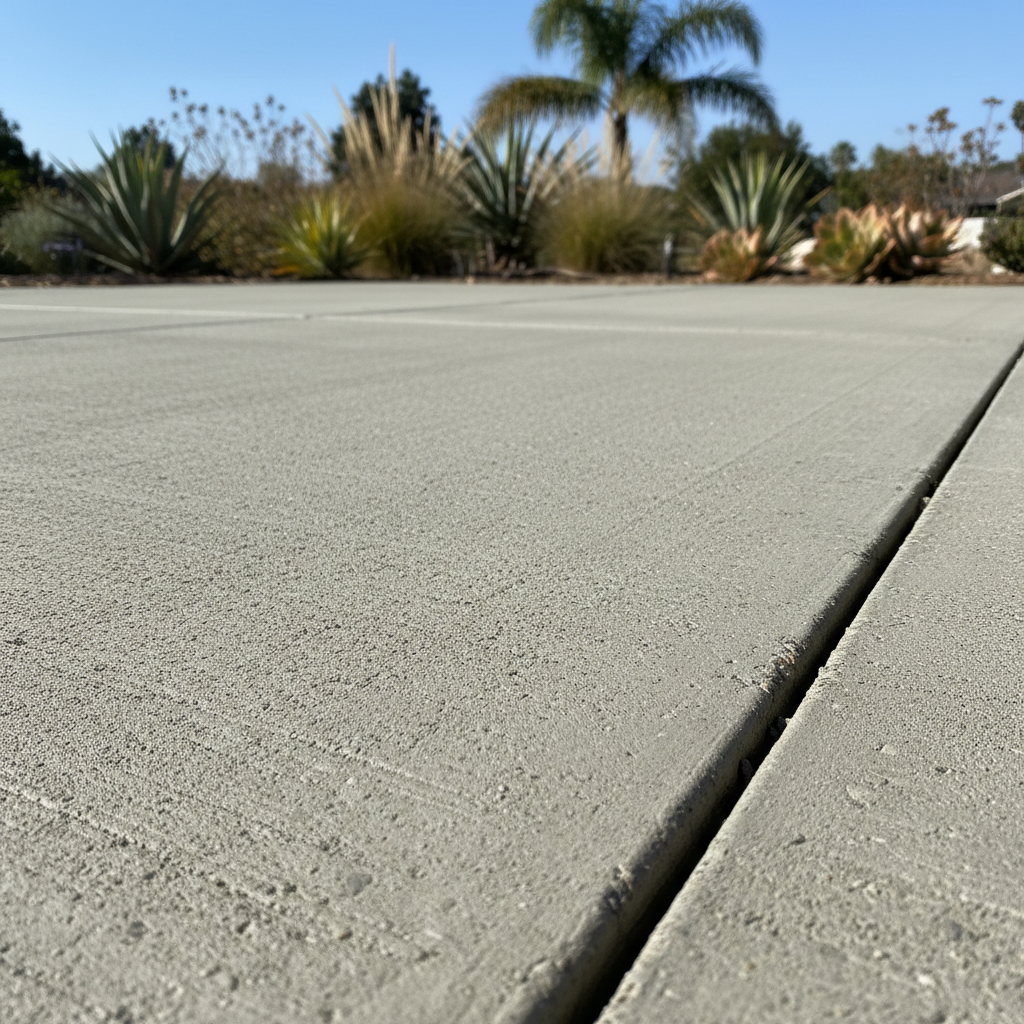
- Expansion Joints/Control Joints: These are cuts made into the concrete to encourage it to crack in specific, controlled lines rather than randomly. We typically cut these within 24 hours of the pour.
- Sealing: Once it's fully cured (usually after 28 days), you might want to consider sealing it. A good sealer will protect it from stains, water penetration, and extend its life, especially for driveways that see oil drips or patios that get a lot of foot traffic.
DIY vs. Pro for Aftercare: Curing is definitely a DIY job. Just follow the instructions we give you. Cutting control joints is something a pro does. Sealing can be a DIY project, but make sure you choose the right sealer for your specific concrete and follow the application instructions carefully.
Look, I'm all for homeowners tackling projects they can handle. It's rewarding. But concrete flatwork, especially anything larger than a small stepping stone, has a lot of pitfalls. If you're unsure, or if it's a significant investment like a new driveway or a large patio, don't hesitate to call us at Paradise Concrete Co. We're here to make sure your concrete project is done right, looks great, and lasts for years.