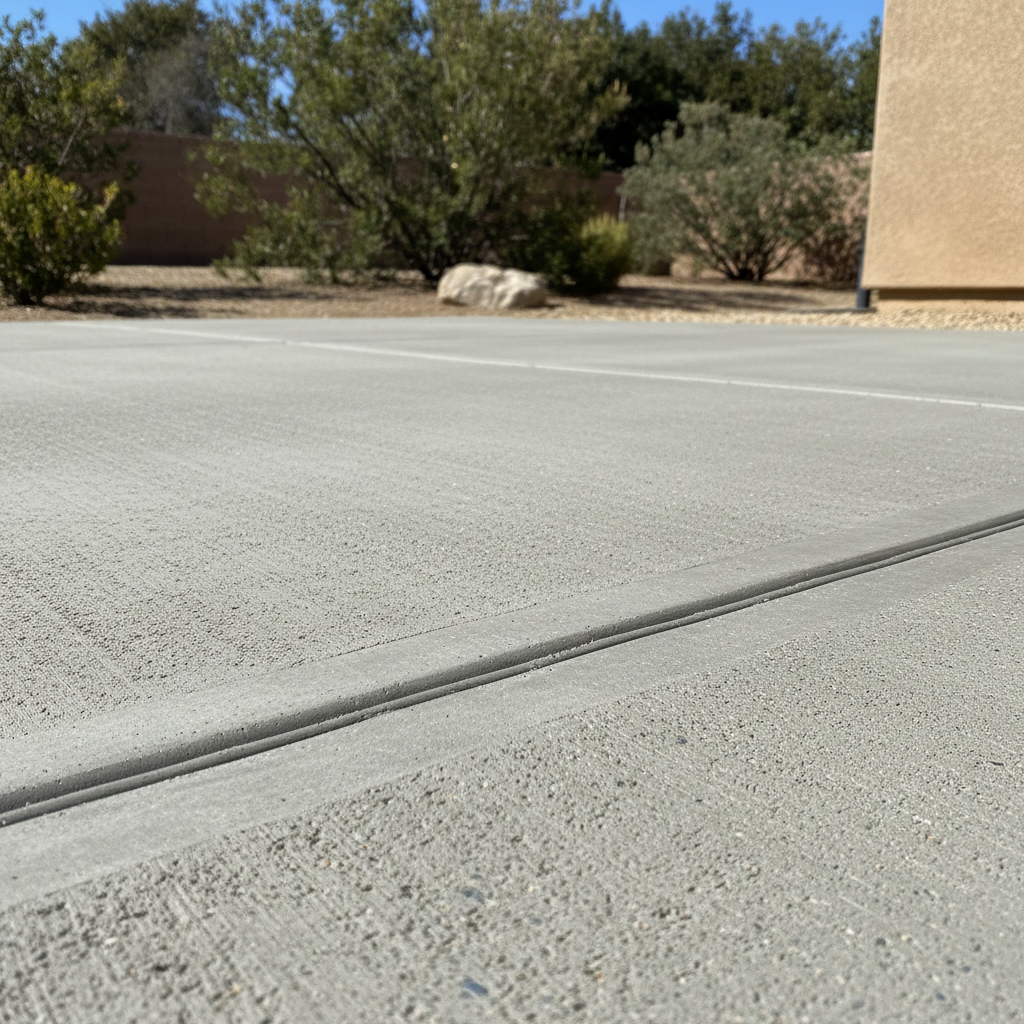
So, you're staring at that cracked driveway or worn-out path and thinking, "Maybe I can just pour some concrete myself." It's a pretty common thought, especially for people who enjoy getting their hands dirty. Concrete flatwork – stuff like driveways, walkways, and small patios – seems straightforward enough, doesn't it? Mix, pour, smooth. But there's actually a lot more to it, and knowing when to grab a shovel versus when to pick up the phone can save you a huge amount of grief, and money, down the road.
Before You Even Think About Mixing
First things first, let's talk planning. This isn't just about how big you want your slab. You really need to think about drainage. Ventura gets its fair share of rain, especially during those winter storms. You definitely don't want water pooling up against your house or running into your neighbor's yard, do you? Proper slope is absolutely critical, and it's often not as obvious as you'd think. You'll also need to check for utilities. Hitting a water line or electrical conduit? That's just a plain bad day. Call 811 before you dig, every single time. It's free, and it's the law.
Then there's the base. Concrete is only as good as what's underneath it. You need a well-compacted subgrade – that's your native soil – and then a layer of aggregate, usually crushed rock. If your soil isn't stable, like some of the sandy loam we find closer to the beaches in areas like Pierpont, you might need extra compaction or even soil amendments. This isn't just about making it look good; it's about stopping cracks and settling from happening later. Getting the base right is one of those things that truly separates a professional job from an amateur one.
What You Can Realistically DIY
Okay, so what *can* a homeowner actually do themselves? For small, non-structural projects, you can absolutely tackle some things. Imagine a small stepping stone path, a little pad for your trash cans, or maybe patching an existing slab. Here’s where you might be able to handle it:
- Small, non-critical pads: If it's just a 3x3 foot pad for a planter, you can probably manage that.
- Formwork for simple shapes: Building basic wood forms for a square or rectangle isn't too tough.
- Patching small cracks: Using a concrete repair kit for hairline cracks can really extend the life of your existing concrete.
- Cleaning and sealing: This is definitely a DIY job, and honestly, something you should be doing regularly to protect your investment.
For these smaller jobs, you'll need some basic tools: a shovel, rake, level, wheelbarrow, and some finishing tools like a float and trowel. You can rent a small mixer if you're not buying bags of ready-mix concrete. Just remember, concrete sets fast, especially on a warm Ventura day, so have absolutely everything ready before you start mixing.
When to Call Paradise Concrete Co. (Seriously)
Now, let's talk about when to bring in the pros. For anything bigger than a small pad, anything that will be driven on, or anything that needs to look really good and last a long time, you need a professional. Here’s why:
- Driveways and large patios: These require serious excavation, proper subgrade preparation, reinforcing steel (rebar or mesh), and precise finishing. A driveway has to withstand heavy loads and constant use. You don't want it cracking in a year because the base wasn't right or the concrete mix wasn't strong enough.
- Complex shapes or slopes: If you're dealing with curves, multiple levels, or specific drainage requirements, this is absolutely not a DIY job. Getting the forms right and making sure you have consistent thickness and slope takes real experience.
- Heavy lifting and specialized equipment: A yard of concrete weighs about 4,000 pounds. Pouring a full driveway is a massive undertaking that needs multiple people, power screeds, and bull floats. Unless you've got a crew of strong friends and access to professional tools, you're going to be totally overwhelmed.
- Finishing techniques: Want a smooth, broom, or exposed aggregate finish? Each one needs specific timing and technique. A professional crew can achieve a consistent, attractive finish across a large area. An amateur job often ends up with an uneven, patchy surface, which is a shame.
- Permits and regulations: For bigger projects, especially those that affect drainage or public right-of-ways, you'll need permits from the City of Ventura. A good contractor will handle all of this for you.
I've seen countless DIY concrete projects go sideways. People just underestimate the physical labor, how quickly concrete sets, and how important proper preparation is. They end up with an uneven surface, poor drainage, or cracks showing up way too soon. Fixing a bad concrete job is often more expensive and more disruptive than just doing it right the first time.
After the Pour: Curing and Care
Whether you DIY a small pad or hire us for your driveway, curing is super important. Concrete doesn't just dry; it cures. This is a chemical process that needs moisture. For at least 7 days, and ideally longer, you need to keep that concrete damp. You can do this by misting it with water, covering it with plastic sheeting, or using a curing compound. Skipping this step is a sure way to get weaker concrete that's much more likely to crack.
After it's fully cured, regular cleaning and sealing will protect your concrete from the elements, oil stains, and general wear and tear. A good sealer every few years will keep it looking great and really extend its lifespan. Think of it like sunscreen for your concrete.
Look, I'm all for homeowners tackling projects they can handle. But when it comes to concrete flatwork, especially anything significant like a new driveway or a large patio, you're usually better off trusting it to the pros. You'll get a durable, attractive result that adds value to your home and stands up to our coastal climate for years to come. Give us a call at Paradise Concrete Co. if you're ready to talk about your project.