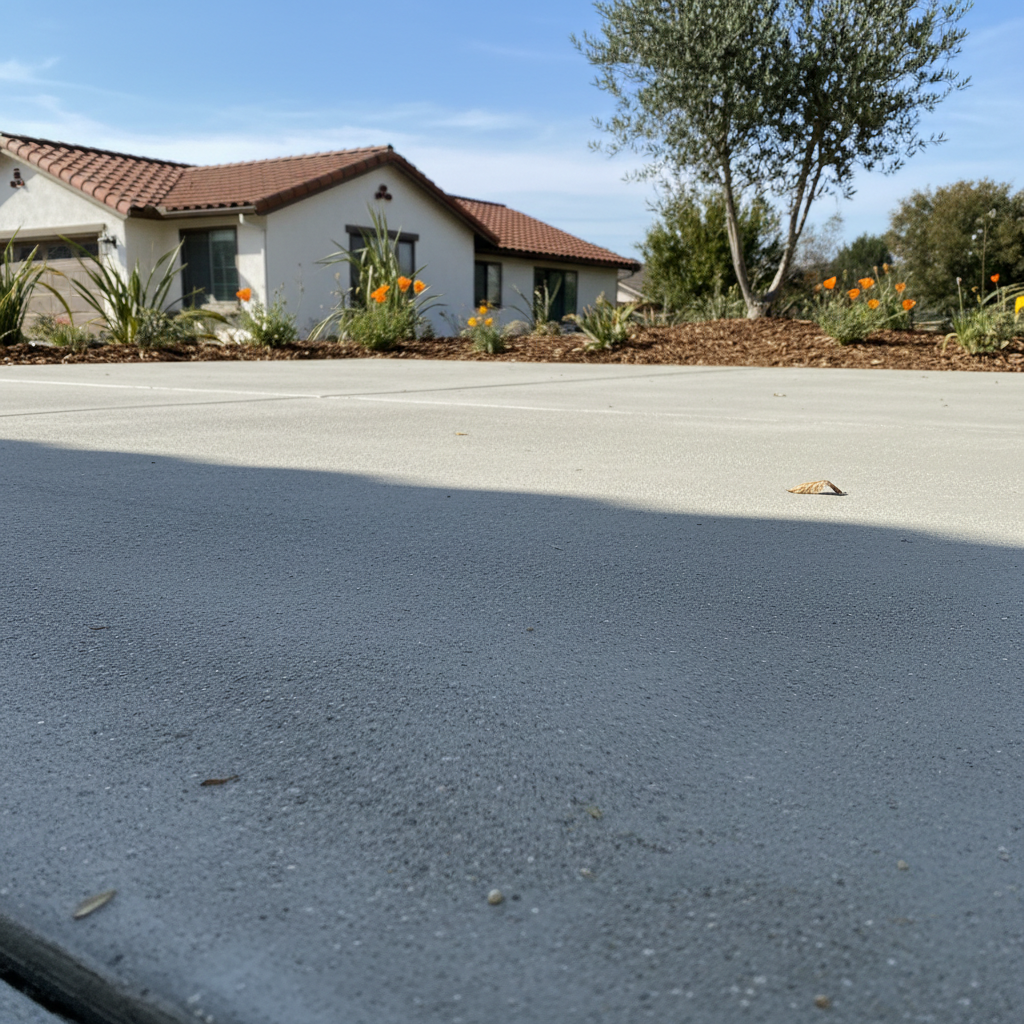
So, you're thinking about a new concrete driveway, maybe a patio, or some fresh walkways around your Ventura home. Good call! Concrete flatwork, when it's done right, really boosts your home's value and curb appeal. But I bet you've got questions — probably a whole bunch of 'em. Over my years working with folks all over town, from those hillside homes in the Foothills to the cute beach bungalows near Pierpont, I've honestly heard just about every question you can imagine. So, let's dive into the stuff you really want to know.
What's the deal with concrete cracking? Is that normal?
Alright, let's just get this out of the way right upfront: concrete cracks. It's not a question of *if* it'll happen, but *when* and *how much*. Now, that might sound a little alarming, but it's the honest truth. Concrete shrinks as it dries and cures, and that shrinkage creates stress. Throw in our local Ventura soil conditions — sometimes expansive clays, sometimes sandy — and those temperature swings we get, and you've got a recipe for movement.
The real goal isn't to stop all cracks; it's to manage them. That's exactly where expansion joints and control joints come in handy. We cut these lines into the concrete, creating weak spots. This encourages any cracking to happen neatly along those lines, often where you won't even notice. If a contractor tells you their concrete will *never* crack, well, they're not being straight with you. A few hairline cracks are totally normal. Big, wide, uneven cracks, though? Those usually point to poor sub-base prep, a bad mix design, or joints placed incorrectly. We always make sure the sub-base is packed down right and the joints are laid out perfectly to keep visible cracking to a minimum.
How long can I expect my new concrete flatwork to last?
A properly installed concrete driveway or patio should easily last you a good 20 to 30 years. Some even go beyond that, believe it or not. Think about it: concrete is incredibly tough. But "properly installed" is the key phrase there. This isn't really a DIY weekend project if you want it to stand the test of time. The lifespan really comes down to a few things: the quality of the concrete mix, how well the ground underneath (the sub-base) was prepared, good drainage, and how well you keep it up. If you've got heavy trucks constantly driving over a residential driveway that wasn't built for that kind of load, or if you skip sealing it every few years, you're definitely going to cut its life short. But generally, it's a long-term investment that absolutely pays off.
Do I actually need to seal my concrete? And how often?
Yes, you absolutely should seal your concrete, especially here in Ventura. We get tons of sun, and while that's awesome for beach days, UV rays can actually break down concrete over time. Plus, oil drips from cars, spilled BBQ sauces, even just the general grime from our coastal air can stain unsealed concrete pretty quickly. Sealing basically acts like a protective shield.
For most driveways and patios, I usually tell folks to seal them every 2-3 years. If it's a super high-traffic spot, or if it's decorative concrete like stamped or stained, you might want to do it every year or two. It's not a huge job, and it makes a massive difference in how good your concrete looks and how well it resists stains. Think of it like waxing your car — it protects the finish, right?
What's the difference between stamped, stained, and exposed aggregate concrete?
These are all fantastic ways to make your concrete look a lot more interesting than just plain gray. They're all considered "decorative concrete" but they each achieve a very different vibe.
- Stamped Concrete: Here, we press patterns into the wet concrete to make it look like other materials, things like brick, stone, slate, or even wood. We can also add color to the mix or put on color hardeners to get a specific shade. It's super popular for patios and walkways because you get the look of expensive pavers or natural stone, but at a fraction of the cost and with the durability concrete offers.
- Stained Concrete: With staining, we put a chemical stain (either acid-based or water-based) onto the concrete after it's cured. This stain reacts with the minerals in the concrete, creating translucent, mottled, and truly unique colors. It doesn't hide imperfections; instead, it actually enhances the natural variations. You can get some really beautiful, earthy tones or even vibrant colors. It works great for interiors or for adding depth to concrete that's already there.
- Exposed Aggregate: This is a classic look, especially around here in Ventura. We pour the concrete, and then, before it completely cures, we wash away the top layer of cement paste. This exposes the natural stones (the aggregate) mixed into the concrete. You end up with a textured, non-slip surface that has a natural, pebbly appearance. It's super durable, needs very little maintenance, and looks fantastic around pools or in a more natural landscape design.
Each option has its own aesthetic and cost, so it really just depends on the look you're hoping for and what your budget allows.
How do I clean my concrete without messing it up?
For everyday cleaning, a good old scrub brush, some mild detergent, and water usually do the trick. If you've got tougher stains, you can use a pressure washer, but be careful with that! Don't use too high a PSI setting, especially on decorative or older concrete, and keep the nozzle moving. You really don't want to etch the surface or blast out the aggregate.
For specific stains:
- Oil/Grease: Try a degreaser made specifically for concrete. Put it on, let it sit, scrub, and rinse.
- Mildew/Algae: A mix of bleach and water (about 1:10 ratio) or a dedicated concrete cleaner works well here.
- Rust: There are specific rust removers for concrete, but watch out, they can sometimes leave a lighter spot.
Always test any cleaning solution in a hidden spot first, okay? And remember, a good seal makes cleaning a whole lot easier.
What's the process for getting a new concrete driveway or patio installed?
It's definitely not just pouring some wet stuff on the ground! We follow a specific sequence to make sure you get a durable, long-lasting product. Here's the basic rundown:
- Site Preparation: First, we clear the area. That means taking out old concrete, dirt, or anything else in the way. Then, we grade the area to make sure water drains away from your home properly. This step is super important, especially with our occasional heavy rains.
- Sub-base Installation & Compaction: We lay down a layer of gravel or crushed rock, usually 4-6 inches thick. This creates a stable, well-draining foundation for the concrete. Then we compact it thoroughly. A weak sub-base means a weak slab, plain and simple.
- Formwork: We set up forms (usually wood or metal) to create the exact shape and thickness your new concrete will have.
- Reinforcement: Depending on the project, we'll lay down rebar or wire mesh. This adds tensile strength and helps hold the concrete together if it does crack.
- Concrete Pouring & Finishing: The concrete truck arrives, and we pour the mix. Then, the real artistry begins. We level, float, and trowel the surface to get just the right finish — smooth, a broom finish for grip, or we get it ready for stamping.
- Curing: This step often gets overlooked, but it's incredibly important. We apply a curing compound or keep the concrete moist for several days. This slows down the drying process, which allows the concrete to get maximum strength and helps reduce cracking.
- Joints & Sealing: Once it's cured, we cut control joints (if we didn't do it during the pour) and then, after a few weeks, we put on a high-quality sealer.
It's a multi-step process that takes time and real expertise. That's why you hire pros like us at Paradise Concrete Co. We've done this hundreds of times, and we know exactly what it takes to get it right for Ventura homes.
Can I pour concrete over existing concrete?
Generally, no, I really don't recommend it. It might sound like a shortcut, but it usually causes problems down the road. The old concrete is probably already cracked or uneven, and those issues will show right through your new layer. Plus, you're adding a lot of weight without necessarily fixing the underlying sub-base problems. The bond between the old and new concrete is often weak, leading to delamination or the new layer cracking on its own.
Now, there are very specific, thin overlay products designed for resurfacing, but these are typically for cosmetic fixes on slabs that are structurally sound. They're not for adding a whole new thick layer. For most driveways and patios, it's always best to remove the old concrete, deal with the sub-base, and start fresh. It costs more upfront, sure, but it saves you a headache and more money in repairs later on. Trust me on this one.
Hopefully, that clears up some of your questions. Concrete flatwork is a big investment, and you absolutely deserve honest answers. If you're thinking about a project, give us a call. We'd be happy to walk you through it and give you a solid plan.