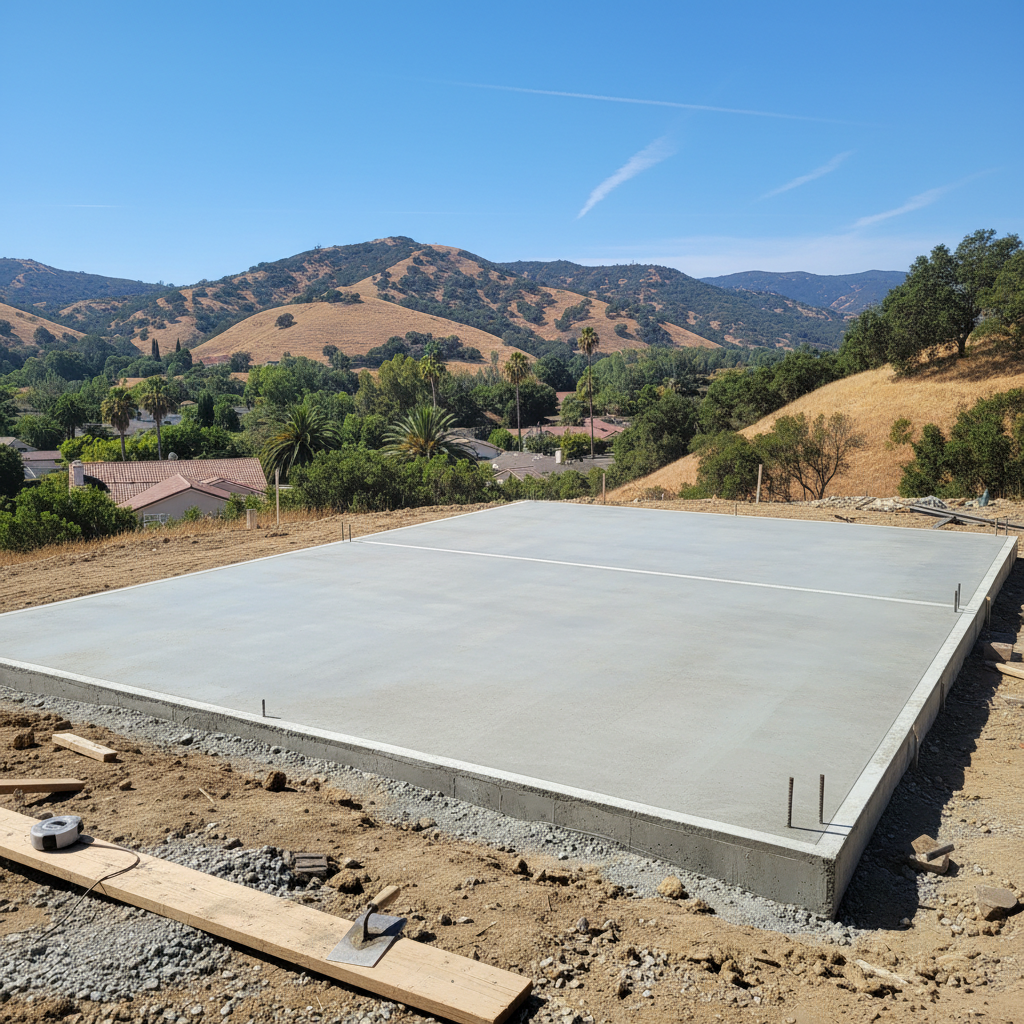
Alright, let's talk concrete foundations here in Ventura. It's not just about pouring some cement and calling it a day, especially with our specific weather patterns. As a local contractor, I've seen firsthand how our coastal climate, with its damp mornings and sunny afternoons, impacts concrete. Knowing when to do what can save you a ton of headaches and money down the road.
When's the Best Time for Concrete Work in Ventura?
This is probably the most common question I get. For new pours or major repairs, you want stable conditions. Here in Ventura, that usually means late spring through early fall. Think May, June, September, and October. Why then?
Consistent Temperatures: Concrete cures best when temperatures are steady, ideally between 50 and 80 degrees Fahrenheit. Our summer months, while warm, often have that marine layer burn-off, leading to pretty consistent daytime temps without extreme highs or lows.
Less Rain: While we don't get a ton of rain, a sudden downpour on a fresh pour is a nightmare. It can wash out the surface, weaken the mix, and lead to a poor finish. Avoiding our short, intense rainy season (typically December through March) is just smart planning.
Lower Humidity (mostly): High humidity can slow down the drying process, but too low can cause it to dry too fast and crack. Our Ventura humidity is usually pretty moderate during those shoulder seasons, which is ideal for a good, strong cure.
Now, that doesn't mean you can't do concrete work in winter. Smaller repairs or interior slab work can often be done, but you'll need to take extra precautions like covering the concrete or using admixtures to help with curing in cooler temps. It just adds more complexity and sometimes cost.
Weather Conditions That Affect Your Concrete
Beyond just the season, specific weather conditions play a huge role. You've got to respect them.
Rain: I mentioned it, but it bears repeating. Rain on fresh concrete is bad news. If rain is in the forecast, we're rescheduling. Period. No exceptions. It's not worth compromising the integrity of your foundation.
Wind: Strong winds can dry out the surface of fresh concrete too quickly, leading to what we call 'plastic shrinkage cracking.' This is especially true on those blustery days we get sometimes, particularly closer to the hills or in areas like the hills above Ventura College. We'll often use windbreaks or apply curing compounds sooner to combat this.
Extreme Heat: While not as common here as in, say, the Valley, very hot days can also cause concrete to dry too fast. We might need to mist the surface or use specific curing methods to ensure it doesn't lose moisture too quickly.
Cold: Freezing temperatures are the enemy of fresh concrete. Water expands when it freezes, and if the concrete hasn't gained enough strength, that expansion can cause significant damage. We rarely hit freezing temps during the day here, but if we're pouring in late fall or winter, we're watching the overnight lows very closely.
Protecting Your Concrete Investment Year-Round
Okay, so you've got a solid foundation. How do you keep it that way? It's not just a one-and-done deal.
Good Drainage is King: This is probably the single most important thing you can do. Water pooling around your foundation is a recipe for disaster. Make sure your gutters are clean, downspouts extend away from the house, and the ground slopes away from your foundation. I've seen homes in the Pierpont area, where the water table can be higher, really benefit from good drainage systems.
Seal It Up: For exposed concrete, like patios or driveways, applying a good quality sealer every few years is a smart move. It protects against moisture penetration, stains, and general wear and tear. It won't make it invincible, but it'll definitely extend its life.
Watch for Cracks: Small hairline cracks are pretty normal as concrete settles and expands/contracts. But if you see cracks widening, or if they're accompanied by uneven settling, that's a red flag. Don't ignore them. Get them checked out by a pro like us at Paradise Concrete Co. early, before they become a much bigger, more expensive problem.
Keep it Clean: Regular cleaning, especially for driveways and patios, helps prevent moss, algae, and oil stains from setting in. A simple pressure wash can do wonders, but be careful not to use too high a pressure setting on older or weaker concrete.
Mind Your Landscaping: Tree roots can be incredibly powerful and can cause significant damage to foundations and slabs over time. Be mindful of what you plant too close to your home. Also, avoid overwatering plants right next to the foundation, as this contributes to soil expansion and contraction.
Your concrete foundation is literally the bedrock of your home. Taking a proactive approach, understanding our local Ventura climate, and knowing when to call in the pros can save you a lot of grief. Don't wait until you see major issues; a little preventative care goes a long way.