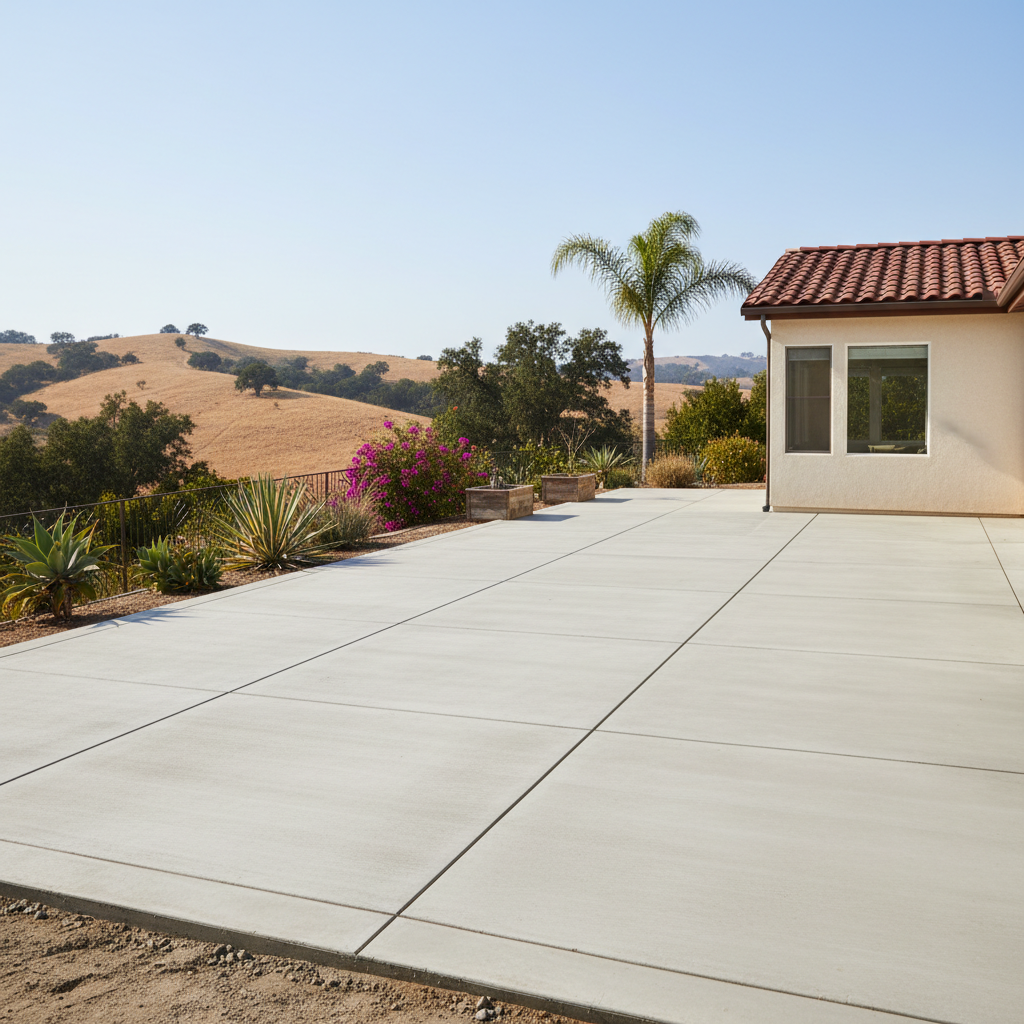
Thinking Too Small (or Too Big)?
I see this happen constantly: people get all excited about a new concrete patio, but they don't really think through how they'll actually *use* it. Maybe you sketch out a little square in the backyard, figuring it's plenty for a couple of chairs. Then, after the concrete's poured, it hits you – you wanted a grill, a fire pit, even a small dining table. Suddenly, that 10x10 slab feels tiny, doesn't it?
On the flip side, some folks go for a massive expanse of concrete, thinking bigger is always better. What they find instead is they've paved over all their usable yard space, leaving a huge, empty-feeling slab that costs a fortune to furnish and keep up. So, before you even pick up the phone to call a contractor, grab a measuring tape, some chalk, or even just a garden hose. Lay out the actual footprint. Put your existing furniture out there. Walk around it. Pretend you're hosting a party. You'll get a much better feel for the right size, trust me.
Ignoring Drainage – A Ventura Must-Do
This is a huge one, especially right here in Ventura. We get those heavy winter rains, and if your patio isn't designed with proper drainage, you're just asking for trouble. I've seen patios that funnel water straight into a house's foundation, or create massive puddles that take days to dry, turning the whole area into a mosquito breeding ground. It's not just about sloping the concrete away from the house, either. Sometimes you need French drains, catch basins, or even a small swale to direct water effectively. A good contractor, like us at Paradise Concrete Co, will always check out your property's grade and existing drainage patterns. Don't let anyone tell you, "Oh, it'll be fine." Water always finds a way, and you definitely don't want it finding its way into your living room.
Underestimating the Importance of a Good Base
You can have the prettiest stamped concrete finish imaginable, but if the base isn't prepared correctly, it just won't last. This is where a lot of less reputable contractors cut corners. They'll skimp on excavation, use insufficient aggregate, or not compact it properly. Here in Ventura, especially in some of the older neighborhoods with clay soils, proper base prep is absolutely critical. If the ground underneath isn't stable and well-drained, you're going to see cracks, settling, and uneven surfaces down the line. It's like building a house on quicksand, really. You might not see the base, but it's the foundation of your patio's longevity. Ask your contractor about their base preparation process. If they can't give you a clear, detailed answer, that's a red flag.
Choosing the Wrong Finish for Your Lifestyle
There are so many great concrete finishes these days: stamped, exposed aggregate, stained, broom finish, smooth trowel. It's easy to get caught up in how something looks in a magazine or online. But you really need to think about how you actually live. A super smooth, polished finish might look sleek, but it can be incredibly slippery when wet. Not ideal if you have kids running around, or an elderly family member, right? A heavily textured stamped concrete can be beautiful, sure, but it might be a pain to clean if you're constantly spilling food or drinks. Exposed aggregate looks fantastic and offers great grip, but it might not feel comfortable for bare feet. Talk to your contractor about the pros and cons of each finish in terms of maintenance, safety, and durability for your specific needs. Don't just pick the prettiest picture; pick the most practical for your family.
Ignoring Permits and HOA Rules
This is one of those headaches you absolutely want to steer clear of. Many patio projects, especially if they involve significant excavation, changes to drainage, or are over a certain size, require permits from the City of Ventura. And if you live in a planned community or a condo, your Homeowners Association (HOA) likely has its own set of rules about materials, colors, and even the size of your patio. Trying to sneak a project past them can lead to fines, stop-work orders, or even having to tear out your brand-new patio. A good contractor will know the local permitting requirements and will guide you through the process, or even handle it for you. Always check with your HOA first – it's a simple phone call that can save you a world of trouble.
Not Getting Everything in Writing
This seems obvious, but you'd be surprised how often people rely on a handshake or a verbal agreement. Get a detailed contract. It should spell out the scope of work, materials to be used (including concrete strength, rebar/mesh details, and finish type), the payment schedule, timeline, and what happens if there are unexpected issues. What about cleanup? What about protecting your existing landscaping? All these details really do matter. If a contractor is hesitant to put everything in writing, or their contract is vague, walk away. A clear contract protects both you and the contractor and prevents misunderstandings down the road. You want to feel secure, and a solid contract is your best friend in that regard.
Hiring Based Solely on Price
Everyone wants a good deal, and I totally get that. But when it comes to concrete, the cheapest bid is very rarely the best value. Cutting corners in concrete work often means compromising on materials, labor, or proper preparation – all things that lead to a patio that cracks, spalls, or settles prematurely. You'll just end up paying more in repairs or replacement down the line. Look for a contractor with a solid reputation, good reviews, and proper licensing and insurance. Ask for references and actually check them. Get multiple bids, but don't just compare the bottom line. Compare what each bid *includes*. A slightly higher price for a contractor who uses quality materials, does thorough prep work, and stands behind their work is almost always the smarter investment. Your patio is an extension of your home; you want it done right.