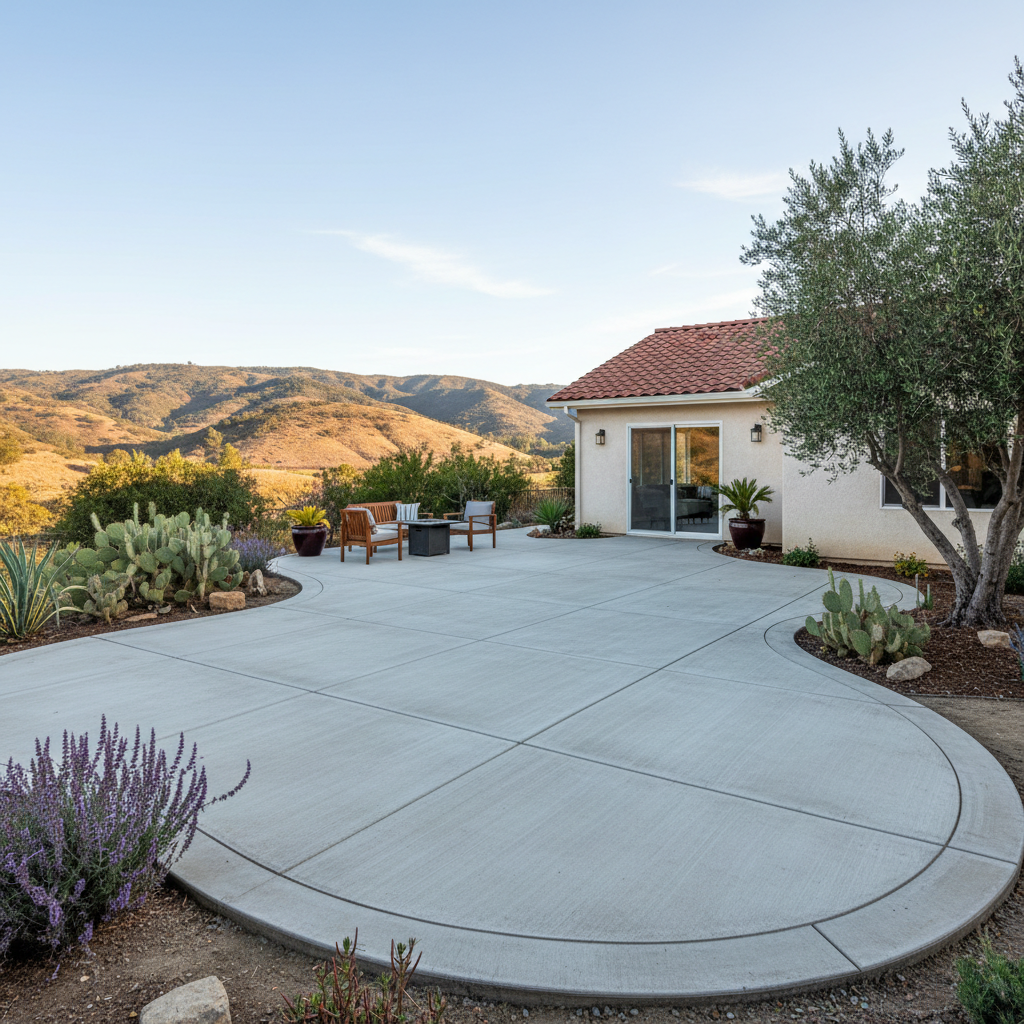
You're dreaming of a new concrete patio, a perfect spot for those Ventura sunsets, right? Sounds like a fantastic idea. A well-built patio really adds so much to your home, doesn't it? But, you know, I've seen too many folks make some pretty common mistakes that turn that dream into a real headache – or worse, something they deeply regret and have to pay to fix. Let's talk about what to avoid.
Skimping on Planning & Design Upfront
This is probably the biggest one, hands down. People get all excited, pick a contractor, and just say, "I want a patio here, about this big." Then, halfway through, they realize they wanted an outdoor kitchen plumbed in, or they completely forgot about drainage, or they wish they'd thought about how the sun hits that spot in the afternoon. What a mess to fix once the concrete's poured.
You really need to think through how you'll use the space. Will you have a fire pit? A BBQ island? What about lighting? Speakers? And where will the water go when it rains? Especially here in Ventura, with our occasional heavy winter rains, proper drainage is non-negotiable. You definitely don't want water pooling against your foundation or washing out your landscaping. Think about the flow from your house, too. Is the patio going to be too high or too low compared to your back door? These aren't details you can just "figure out later." Get it right on paper first, trust me.
Ignoring the Groundwork
Concrete is only as good as what's underneath it. I can't stress this enough. We've got all sorts of soil conditions around here, from sandy loam near the beaches to heavier clays further inland. If your contractor just pours concrete over unprepared ground, you're asking for trouble. Cracks, uneven settling, drainage issues – it's all coming your way, sooner or later.
A good contractor will spend time on the sub-base. That means proper excavation, compacting the soil, and laying down a stable aggregate base, often with rebar or wire mesh for reinforcement. This isn't the sexy part of the job, I know, but it's the most critical. If a quote seems too low, often it's because they're cutting corners here. Ask about their process for preparing the ground. If they can't give you a clear answer, that's a big red flag.
Choosing the Cheapest Bid
Look, I get it. Money matters. Everyone wants a good deal. But when it comes to concrete, the cheapest bid is almost never the best one. Concrete work is a skill, a craft even. There's a huge difference between a crew that knows what they're doing and one that's just trying to get in and out.
A low bid often means:
- They're cutting corners on materials (lower quality concrete, less rebar).
- They're rushing the job, which leads to mistakes.
- They're not properly insured or licensed, leaving you exposed if something goes wrong.
- They're not doing the essential groundwork we just talked about.
Ask for references, check their license with the CSLB, and look at their past work. Paradise Concrete Co. has been doing this for years, and we've seen the aftermath of plenty of cheap jobs. It always costs more to fix it later than to do it right the first time, doesn't it?
Not Understanding the Concrete Mix
Not all concrete is created equal. There are different strengths, different aggregates, and different admixtures for various applications. For a patio, you want a mix that's durable and designed for outdoor exposure. If you're going to have heavy furniture, a hot tub, or just a lot of foot traffic, you need a stronger mix than, say, a simple pathway.
Your contractor should be able to tell you the PSI (pounds per square inch) of the concrete they're using and why it's appropriate for your project. They should also talk about air entrainment, which helps the concrete resist freeze-thaw cycles (not a huge issue here in Ventura, but good to know for general durability) and surface scaling. Don't just assume "concrete is concrete." It's definitely not.
Forgetting About Maintenance
Once your beautiful new patio is in, you can't just forget about it. Concrete, especially decorative concrete like stamped or stained, needs some basic care to look its best and last for decades. This means sealing it periodically.
Sealing protects against stains, UV damage, and general wear and tear. How often you need to seal depends on the type of concrete, the sealer used, and how much traffic it gets. But generally, every 2-5 years is a good rule of thumb. Ask your contractor about the initial sealing process and what they recommend for ongoing maintenance. If they just pour it and walk away without a word about care, that's another sign they might not be thinking long-term about your investment.
So, before you jump into that patio project, take a breath. Do your homework. Ask the tough questions. It'll save you a lot of grief and ensure you end up with a patio you'll love for years, not one you regret.