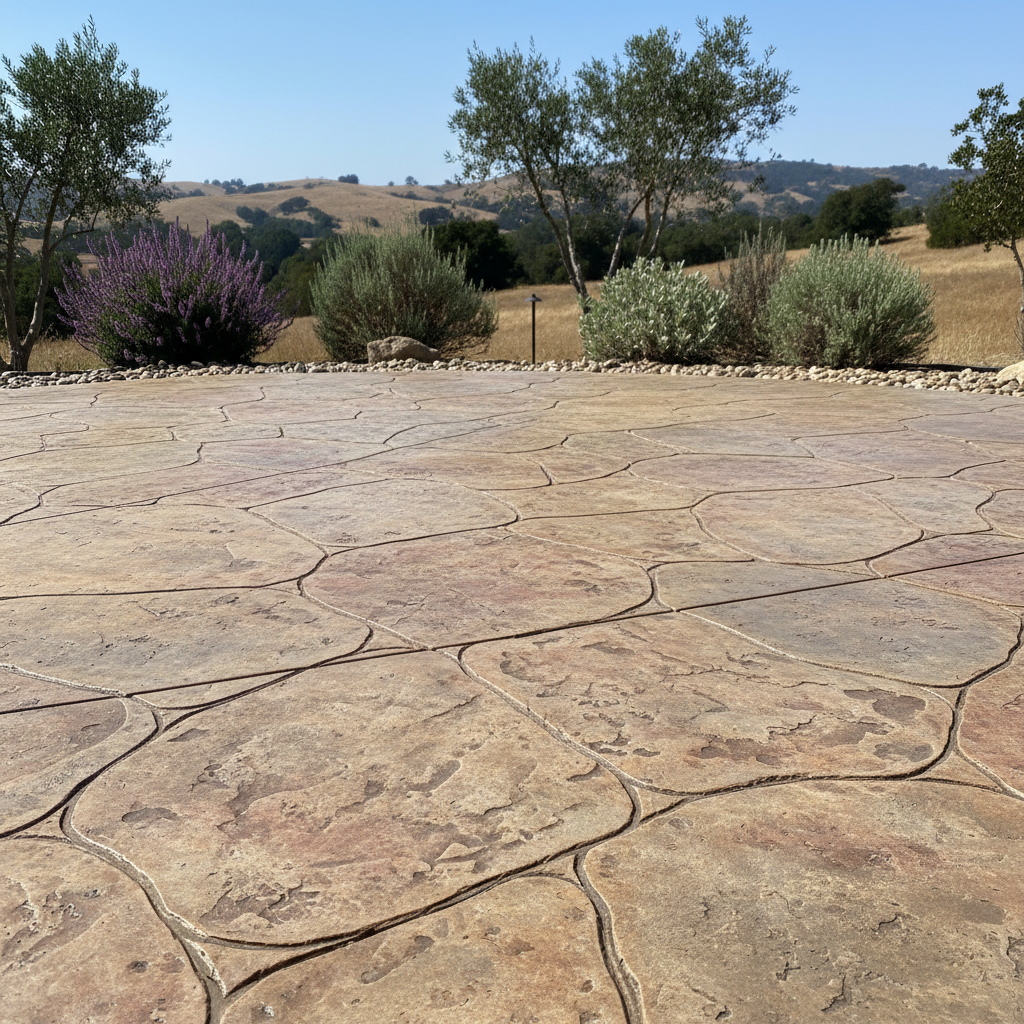
So, you're dreaming of a new concrete patio, huh? That's a great idea, honestly. A well-built patio can totally change how you use your outdoor space, whether you're hosting big barbecues or just kicking back with a quiet morning coffee. But before you even think about grabbing a shovel, let's chat about what it really takes to make that dream happen right here in Ventura.
Before You Start: Planning Your Patio
This is where most of the heavy lifting happens, at least in your head. You've got to figure out what you want and, just as important, what's actually possible.
- Size and Shape: How big do you need this thing? What shape will fit your yard best? Really think about how you'll use it. Will it hold a big dining table, a fire pit, or maybe just a couple of lounge chairs? Measure twice, cut once – that old saying really applies here.
- Location, Location, Location: Where in your yard makes the most sense for this? Consider the sun exposure; do you want morning sun for breakfast or afternoon shade for those hot Ventura afternoons? And what about drainage? You definitely don't want water pooling up against your house foundation, especially with our occasional heavy winter rains.
- Permits: This is a big one, seriously. For most new concrete patios, especially if they're attached to your house or change how water drains, you'll probably need a permit from the City of Ventura. Don't skip this step. It's just not worth the headache later on. A good contractor will handle this for you, but if you're going DIY, it's all on you.
- Budget: Be realistic here. Concrete isn't free, and neither is the work involved. Get a few quotes if you're hiring someone. If you're tackling it yourself, make sure to factor in material costs, tool rentals, and those little unexpected expenses that always pop up.
- Design & Finish: Okay, *this* is the fun part. Do you want a smooth surface, a broom finish for better grip, or something more decorative like stamped concrete? What about colors? Textures? Think about how it'll look with your home's style.
DIY vs. Pro: What You Can Realistically Do
Look, I'm all for homeowners tackling projects around the house, but some things are just better left to the pros. With concrete, the stakes are pretty high – a bad pour is a permanent problem, you know?
- DIY Friendly (Small Scale, No Structural Issues): If you're talking about a small, simple pad for a trash can, or maybe a stepping stone path, sure, you can probably handle that. Digging out a shallow area, laying down some gravel, and mixing a few bags of concrete isn't rocket science. Just make sure you understand proper sub-base preparation and how to screed and finish the concrete right.
- Call a Pro (Anything Else): For a full-sized patio, especially if it's over 100 square feet, involves complex shapes, needs serious digging, or requires proper drainage solutions, you really should call in the experts. Here's why:
- Excavation & Grading: Getting the ground perfectly level and sloped for drainage is absolutely critical. This often requires heavy equipment and a lot of specialized knowledge.
- Formwork: Building sturdy, accurate forms for a large patio takes real skill. If the forms aren't right, your patio won't be either.
- Rebar/Wire Mesh: Reinforcement is key to stopping cracks. Knowing what kind to use and how to place it correctly is crucial for longevity.
- The Pour: Concrete sets fast. You need a crew that knows how to work quickly and efficiently to pour, screed, float, and finish the slab before it hardens. This is definitely not a one-person job.
- Tools & Expertise: Professional concrete contractors have specialized tools and years of experience. They know how our local soil conditions (which can be pretty sandy near the beach or more clay-heavy up in the hills) affect a pour, and how to get a durable, beautiful finish.
At Paradise Concrete Co, we've seen plenty of DIY attempts that ended up costing more to fix than if the homeowner had just hired us in the first place. Save yourself the headache and the backache, honestly.
During the Project: What to Expect
If you've hired a contractor, they'll handle most of this. But it's still good to know the steps involved.
- Preparation: This means clearing the area, digging down to the right depth, and compacting the sub-base (usually gravel). This is the foundation of your foundation, so it has to be solid.
- Formwork & Reinforcement: Wooden or metal forms are set up to define the patio's edges. Rebar or wire mesh is laid down within these forms to strengthen things up.
- The Pour: The concrete truck arrives, and then the magic really happens. The concrete is poured, spread, leveled (screeded), and then smoothed out (floated).
- Finishing: This is where the surface texture gets applied – broom finish, smooth trowel, or stamping for those decorative patterns.
- Curing: This is super important, truly. Concrete doesn't just dry; it cures. It's a chemical process that strengthens the concrete over time. Your contractor will likely apply a curing compound or tell you to keep the slab moist for several days. Don't walk or place heavy objects on it too soon!
After the Project: Care and Maintenance
Your new patio isn't just "done" when the forms come off. A little care goes a long way toward keeping it looking good.
- Curing, Continued: Follow your contractor's instructions for curing. This usually means keeping it damp for a few days, maybe even a week. This prevents rapid drying and cracking, which nobody wants.
- Sealing: I always recommend sealing your concrete patio. It protects against stains, weather, and general wear and tear. You'll want to re-seal every few years, depending on the sealer type and how much foot traffic your patio gets.
- Cleaning: Regular sweeping is good. For tougher grime, a pressure washer on a low setting or a good scrub brush with mild soap and water usually does the trick. Just avoid harsh chemicals that can damage the sealer or the concrete itself.
- Cracks: Hairline cracks are pretty common in concrete. It's almost impossible to prevent them entirely, believe it or not. If you see larger, structural cracks, definitely call your contractor to take a look.
A concrete patio is a fantastic investment in your Ventura home. Do your homework, know when to call in the pros, and take care of it, and you'll enjoy it for decades to come.