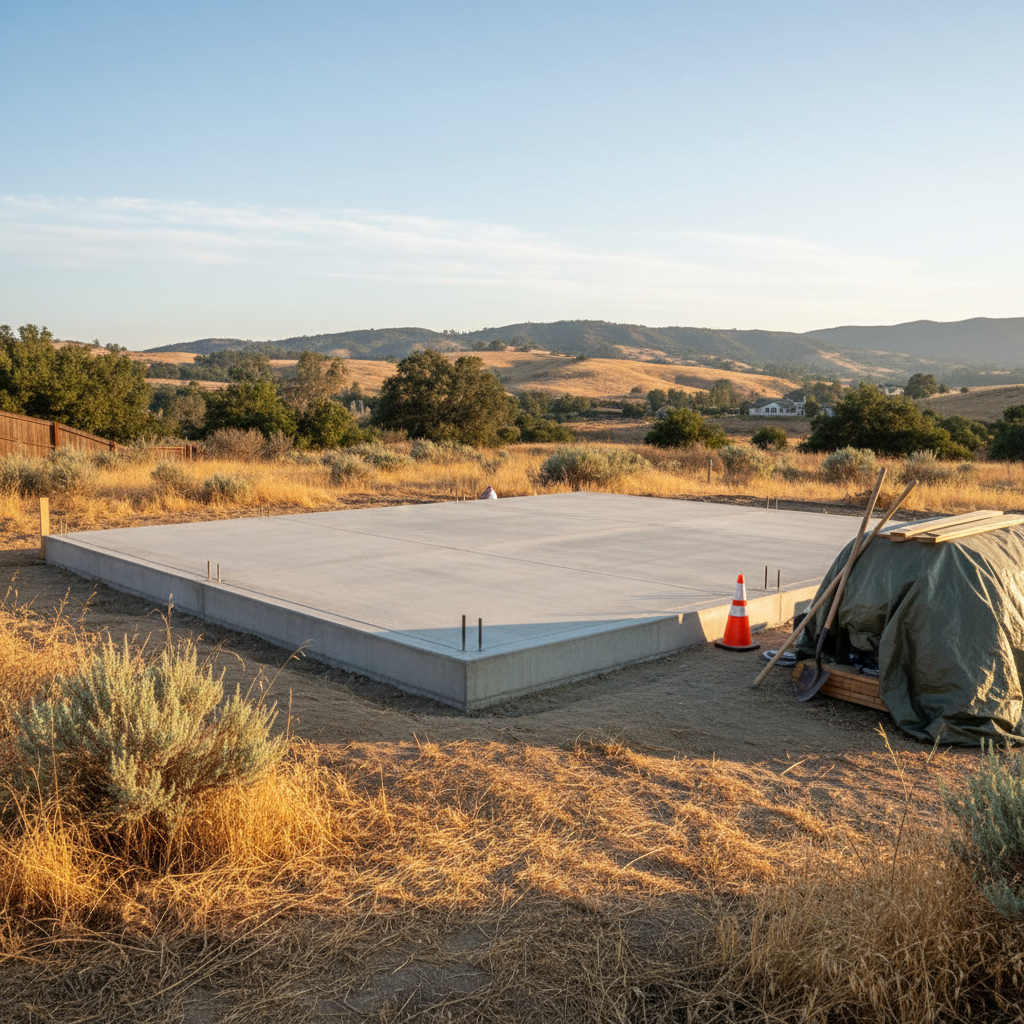
You've got a concrete foundation, right? Most homes around here do. But have you ever really thought about how our Ventura weather impacts that big, solid slab your house sits on? Most folks don't, until there's a problem. As a concrete guy, I see it all the time. Let's talk about what you need to know to keep your foundation happy, season after season.
When's the Best Time for Concrete Work in Ventura?
This is probably the most common question I get. Everyone wants to know the 'perfect' time. For concrete, it's all about temperature and moisture. You want conditions that allow the concrete to cure properly, not too fast, not too slow.
Here in Ventura, our climate is pretty mild, which is a blessing for concrete. We don't get those extreme freezes or scorching inland heat waves that really mess with a pour. That said, there are still better times than others.
- Spring (March-May): This is often ideal. The days are warming up, but it's not brutally hot yet. We usually get some good morning marine layers, which helps keep the concrete from drying out too quickly. You'll still want to keep it moist for a few days after the pour, but the ambient humidity helps a lot.
- Fall (September-November): Another great window. The summer heat has broken, and we're heading into cooler, but not cold, weather. It's usually drier than spring, so you've got to be extra diligent with the curing process, making sure it stays hydrated.
- Summer (June-August): We can pour in summer, but it requires more careful planning. The hotter it is, the faster the water evaporates from the mix. This can lead to cracking if not managed correctly. We might need to add retardants to the mix or use more aggressive curing methods like continuous misting. If you're building a new home down near the beach, like in Pierpont, the ocean breeze helps, but inland, it's a tougher go.
- Winter (December-February): This is our rainy season. While concrete needs water to cure, too much standing water or constant saturation can be an issue, especially if the ground is already soaked. Plus, you don't want to be pouring in a downpour. We can do it, but we're constantly watching the forecast. If it's too cold, below 40°F consistently, the chemical reaction that hardens the concrete slows way down, impacting its strength.
What Weather Conditions Affect Concrete Most?
I touched on it, but let's break it down a bit more. Understanding these helps you appreciate why we do what we do:
Temperature: As I said, too hot, and it dries too fast, leading to shrinkage cracks. Too cold, and it doesn't gain strength properly. We aim for that sweet spot, usually between 50-80°F for the most predictable results.
Humidity: Higher humidity means less water loss from the surface, which is good for curing. Our coastal humidity here in Ventura is a real asset for concrete work.
Wind: Wind is a concrete's enemy, especially on a hot day. It strips moisture right off the surface, accelerating drying and increasing the risk of plastic shrinkage cracks. We often put up windbreaks if we're working on an exposed slab.
Rain: A light drizzle isn't the end of the world, but a heavy downpour can wash out the cement paste, weakening the surface. We've got tarps and covers ready to go if the weather turns.
Protecting Your Concrete Investment Year-Round
Your foundation is literally the bedrock of your home. Protecting it isn't a one-time job; it's ongoing. Here's what I tell my Paradise Concrete Co clients:
- Drainage is King: This is huge, especially with our clay soils here in Ventura. Make sure water drains away from your foundation. Gutters should be clear, and downspouts should extend several feet from the house. If water pools around your foundation, it can lead to soil expansion and contraction, putting stress on the concrete.
- Mind Your Landscaping: Trees and large shrubs too close to the foundation can be problematic. Roots can exert pressure, and they can also suck moisture out of the soil unevenly, leading to differential settlement. Keep an eye on irrigation too; don't overwater near the house.
- Seal It Up: Consider a good quality concrete sealer, especially for exposed surfaces like patios or driveways. It helps protect against moisture penetration, staining, and general wear and tear. Foundations are usually protected by the house, but if you have an exposed stem wall, a sealer can help.
- Watch for Cracks: Small hairline cracks are often normal, especially as concrete cures and settles. But if you see cracks that are widening, growing rapidly, or if you notice significant vertical displacement, that's when you should give us a call. Don't panic, but don't ignore it either.
Taking a proactive approach to your concrete foundation will save you headaches and money down the road. It's a big investment, and a little attention goes a long way in keeping it strong for years to come.